Is your home purchase deposit part of your down payment in Ontario?
Your deposit can count toward your down payment, but it has its own deadline and legal consequences. Here is how to budget for closing and handle a disputed refund.
Yes—when a home purchase closes, the deposit can form part of your down payment. You normally do not pay the full down payment again on top of the deposit. But the two terms describe different things, and confusing them can leave a buyer short of money at an important deadline.
For a Mississauga resale purchase, read the deposit terms in the agreement of purchase and sale before signing. Confirm the amount, recipient, payment method and deadline rather than assuming the money can wait until closing.
One contribution, paid in stages
Your down payment is the portion of the home’s purchase price you fund rather than finance through the mortgage. The deposit is money paid earlier under the purchase agreement. CMHC’s homebuying cost guide confirms that the deposit can form part of the down payment.
Consider this hypothetical purchase:
- Purchase price: $800,000.
- Total planned down payment: $160,000.
- Deposit already paid and credited toward the purchase: $40,000.
- Remaining down payment contribution: $120,000.
That $120,000 is not the complete closing-funds estimate. Budget separately for land transfer tax, legal fees and other closing costs. Adjustments may also reimburse the seller for prepaid expenses, such as property taxes covering a period after closing. Ask your lawyer for the actual amount required and when it must arrive.
Not paying the deposit does not simply cancel the deal
Do not treat the deposit deadline as a chance to reconsider an accepted offer. The Real Estate Council of Ontario warns that failing to deliver the agreed deposit does not automatically cancel a binding agreement. It is a breach that can have serious legal and financial consequences.
If you discover a payment problem, contact your lawyer and real estate agent immediately. Keep records of the agreed deadline, payment instructions and any proposed extension. Do not assume an informal conversation has changed the contract.
If the closing fails, is the deposit returned?
That requires a separate review of the agreement and what happened. A buyer’s request for a refund is not enough to resolve a dispute over ownership of the money.
RECO’s deposit insurance FAQ explains that, where ownership is disputed, a brokerage can release the deposit according to a mutual consent or release signed by both buyer and seller, or a court order. Consumer deposit insurance does not resolve an ordinary disagreement about who should receive funds held in trust.
Before signing a release, ask your lawyer what claims it settles as well as where the deposit goes. Bring the purchase agreement, amendments, deposit receipt and relevant correspondence to that discussion.
KS Legal assists with residential real estate closings in Mississauga and Ontario, including reviewing purchase terms and closing-funds requirements.
This article provides general information, not legal advice about a particular transaction.
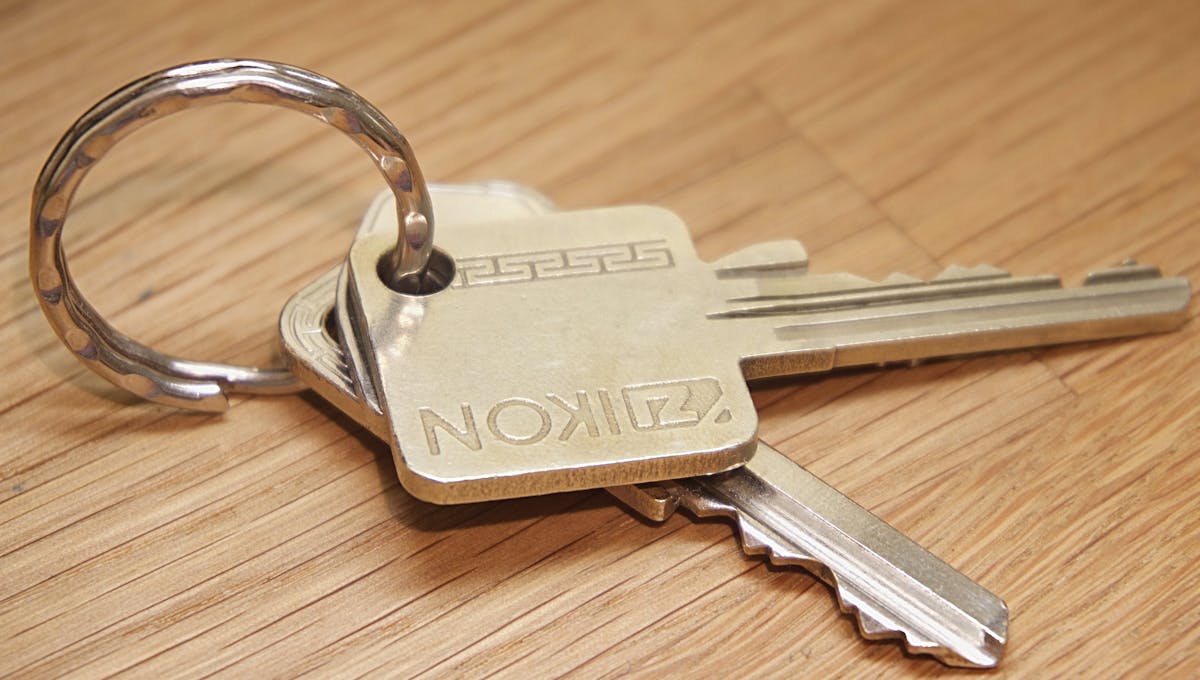
Illustrative photo: Gray Ikon Keys on Brown Wooden Surface by Ingo Joseph, used under the Pexels licence. Resized and compressed; the website may crop it for display.
This article is general information and not legal advice. It does not create a lawyer-client relationship. A lawyer-client relationship begins only after a conflict check is completed, KS Legal agrees to act, and a retainer agreement is signed. Past outcomes do not guarantee future results.

